

Top 10 Tips to Protect Yourself from Online Scammers
In today’s digital world, the internet has become an essential part of everyday life. From online shopping to banking, video calls with family to managing investments, the convenience of being connected has never been greater. But with these benefits comes a growing risk: online scams.
Scammers are becoming more sophisticated, targeting retirees, busy professionals, and anyone who may not recognize the red flags of fraud. For retirees in particular, online scams can be devastating, not just financially, but emotionally. Protecting your assets and your peace of mind requires awareness, vigilance, and the right strategies.
At Invision Capital Advisor, we believe that wealth management is not only about growing your portfolio but also about safeguarding your hard-earned money. Here are the Top 10 Tips to Protect Yourself from Online Scammers, practical, easy-to-follow strategies to keep your finances safe.
1. Be Skeptical of Unsolicited Emails and Calls
If it sounds too good to be true, it probably is. Scammers often reach out through email, text messages, or phone calls with offers of investment opportunities, urgent “account problems,” or fake lottery winnings.
What to do:
- Never give out personal or financial information unless you are 100% sure of who you’re dealing with.
- If you get a suspicious call, hang up and contact your bank or provider directly through official numbers.
2. Use Strong, Unique Passwords
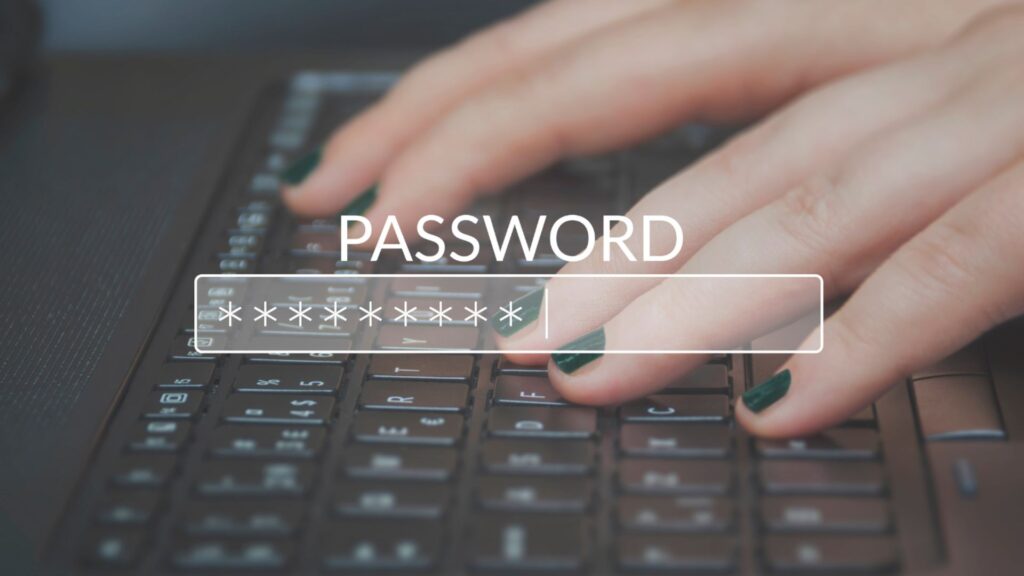
Many people reuse the same password across multiple accounts. That’s like using one key for your house, car, and office—if someone gets it, they get everything.
What to do:
- Use a mix of upper/lowercase letters, numbers, and symbols.
- Consider using a password manager to keep them secure.
- Update passwords regularly, especially for financial accounts.
3. Enable Two-Factor Authentication (2FA)
Even strong passwords can be stolen. Two-factor authentication adds another layer of security by requiring a second step, like a code sent to your phone, before accessing your account.
What to do:
- Enable 2FA for online banking, investment platforms, and email accounts.
- Choose authentication apps (like Google Authenticator) instead of text message codes whenever possible for better security.
4. Watch Out for Phishing Websites
Phishing scams use fake websites that look legitimate to trick you into entering your login credentials or financial information.
What to do:
- Always check the website address carefully before entering details.
- Look for “https://” and a padlock icon in your browser.
- Don’t click suspicious links in emails—type the web address directly into your browser instead.
5. Be Careful with Public Wi-Fi

Public Wi-Fi networks, like those in coffee shops or airports, are not always secure. Hackers can intercept your data, including logins and credit card numbers.
What to do:
- Avoid doing financial transactions over public Wi-Fi.
- If necessary, use a Virtual Private Network (VPN) for a secure connection.
6. Verify Before You Invest
Fraudulent “investment opportunities” are one of the most common scams targeting retirees and professionals looking to grow wealth. Scammers promise high returns with little to no risk.
What to do:
- Always research before investing.
- Check if the advisor or company is registered with the U.S. Securities and Exchange Commission (SEC) (SEC.gov).
- Work with trusted, established financial advisors like Invision Capital Advisor, who can help you identify legitimate, long-term opportunities.
7. Protect Your Personal Information on Social Media
Oversharing online can make you an easy target. Scammers can piece together personal details (birthdays, addresses, relatives’ names) to guess passwords or impersonate you.
What to do:
- Limit the amount of personal info you share publicly.
- Adjust your privacy settings.
- Avoid posting real-time updates about travel plans, scammers and thieves monitor these.
8. Stay Updated on the Latest Scams
Scammers constantly invent new ways to trick people. Staying informed is one of your best defenses.
What to do:
- Sign up for fraud alerts from your bank or credit card company.
- Regularly check updates from trusted organizations like the Federal Trade Commission (FTC).
- Ask your financial advisor to keep you updated on scams targeting retirees and investors.
9. Monitor Your Accounts Regularly
Don’t wait for your monthly statement to catch suspicious activity. By then, damage may already be done.
What to do:
- Review your accounts online at least once a week.
- Set up alerts for unusual transactions.
- Report any suspicious charges immediately to your bank or card issuer.
10. Work with Trusted Advisors

One of the best ways to protect yourself from online scammers is to partner with experts who understand the risks and can provide tailored advice. A reliable financial advisor can help you:
- Spot potential fraud in investment pitches.
- Set up secure financial practices.
- Safeguard your wealth for retirement and beyond.
At Invision Capital Advisor, we guide clients in making smart financial decisions while also helping them avoid the traps of modern scams.
Final Thoughts
The internet has opened up a world of opportunities, but it also brings risks that retirees and investors can’t afford to ignore. Scammers prey on trust, urgency, and lack of awareness, but by following these 10 simple tips, you can protect your wealth and your future.
Remember: staying secure is not about paranoia; it’s about preparation. By using strong passwords, staying skeptical, and working with trusted advisors like Invision Capital Advisor, you can enjoy the benefits of today’s digital age without falling victim to its dangers.
Your financial legacy is worth protecting, don’t let scammers steal what you’ve worked so hard to build.