Market Crash and Panic: Understanding, Surviving, and Thriving as an Investor
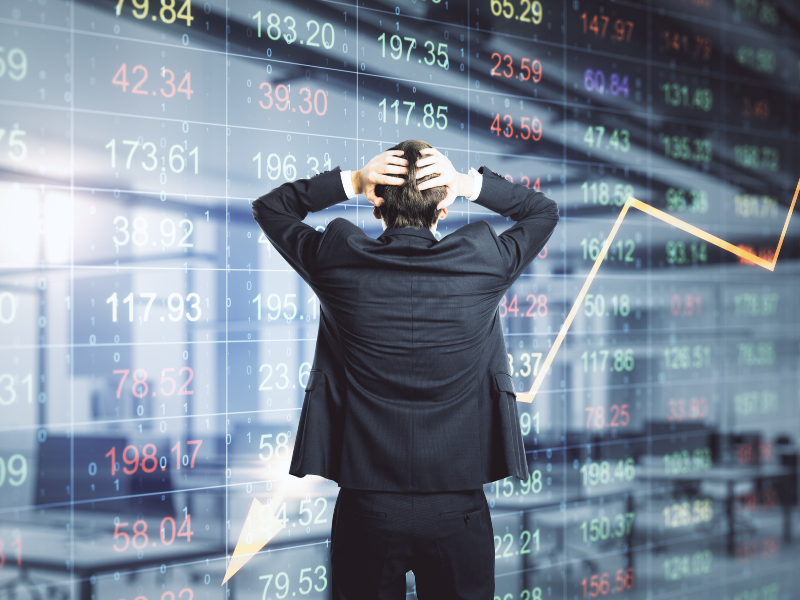
If you’ve ever been invested in the stock market during a downturn, you know the feeling: your stomach drops, headlines scream “Market Crash!”, and suddenly you wonder if all your hard-earned money is vanishing into thin air.
Market crashes and the panic they trigger aren’t just financial events—they’re deeply human experiences. Fear, uncertainty, and herd behavior often take over, pushing many investors to make emotional decisions that hurt their long-term goals.
The good news? With the right perspective, wealth management strategies, and preparation, you can ride out the storm instead of being swept away by it. History shows that while crashes are inevitable, recovery almost always follows and those who stay disciplined often come out stronger.
In this article, we’ll break down what a market crash really is, why panic makes it worse, and how investors can approach these moments with a calmer, smarter strategy to protect and grow their wealth.
What Is a Market Crash?
A market crash happens when the value of major stock indexes like the S&P 500, Nasdaq, or Dow Jones drops significantly in a very short period of time. This sharp decline is usually triggered by economic shocks, political events, or widespread investor fear.

Some famous examples include:
- 1929: The Great Depression, when the Dow lost nearly 90% of its value.
- 1987: Black Monday, a one-day crash of 22% on the Dow.
- 2000: The Dot-com bubble burst, wiping out trillions in tech valuations.
- 2008: The Global Financial Crisis, driven by housing and credit market collapse.
- 2020: The COVID-19 crash, when uncertainty sent markets plummeting before a rapid recovery.
The pattern is clear: markets do crash, but they also recover—sometimes faster than anyone expects.
Why Do Investors Panic During a Crash?
The financial reasons for a crash are one thing, but the human reaction is another. Panic is not about numbers—it’s about psychology.
Here’s why so many investors panic when markets tumble:
- Loss Aversion – People feel losses twice as strongly as gains.
- Herd Mentality – When everyone is selling, it’s tempting to follow.
- 24/7 News Cycle – Headlines thrive on fear.
- Uncertainty – Humans don’t like the unknown.
This is where guidance from professionals like InVision Capital Advisor, a trusted financial advisor in the Bay Area, can help investors keep perspective and avoid costly emotional mistakes.
What Really Happens During a Panic Sell-Off
When panic spreads, investors rush to sell. This creates a vicious cycle:
- Selling drives prices lower.
- Lower prices trigger more fear.
- More fear causes more selling.
The problem? Many investors lock in losses when they sell at the bottom while patient investors who hold (or buy) often see recovery later.
For example, in March 2020 the S&P 500 fell more than 30% in just weeks. Those who sold in fear missed the full rebound, which came within months.
Lessons from History: Why Crashes Aren’t the End
Here’s the silver lining: while crashes are scary, they’ve always been temporary.
- After the 2008 crash, the S&P 500 gained more than 400% in the following decade.
- After COVID-19’s crash in 2020, markets hit record highs within 18 months.
This highlights why wealth succession planning and long-term investing are critical. Investors who plan for volatility often come out stronger than those who react impulsively.
How to Stay Calm During a Market Crash
It’s easier said than done, but staying calm in a market downturn is the best way to protect your financial future.
- Remember Your Why – Your investments are tied to long-term goals like retirement or building generational wealth.
- Avoid Emotional Decisions – Panic-selling locks in losses.
- Turn Off the Noise – Limit exposure to fear-driven headlines.
- Stick to Your Strategy – Trust your asset allocation and risk tolerance.
- See Crashes as Opportunities – Market downturns can offer buying opportunities.
This is also where financial advisors like InVision Capital Advisor play a key role helping clients stay disciplined and seize opportunities instead of panicking.
Risk Management: Preparing Before the Panic
The best time to handle a crash is before it happens. Smart investors build portfolios designed to weather storms.
- Diversification – Spread across industries, assets, and regions.
- Emergency Fund – Keep cash savings to avoid forced selling.
- Rebalancing – Adjust portfolios to maintain risk levels.
- Mindset Training – Expect volatility as part of the journey.
A big part of this is understanding what is a vested stock and how equity compensation fits into your broader portfolio. Knowing when your stocks vest, how they’re taxed, and how they play into long-term wealth management can make all the difference during market downturns.
Market Crashes vs. Market Corrections
It’s important to distinguish between the two:
- Correction: A 10–20% drop, often healthy for markets.
- Crash: A sudden, steep decline (20%+), usually fueled by panic.
Corrections happen often, while crashes are rarer but more dramatic. Knowing the difference helps investors avoid panic and stay focused.
Human Side of Investing: Coping with Anxiety
Numbers and strategies aside, market crashes affect us emotionally. Here’s how to cope:

- Talk it out with a financial advisor.
- Focus on controllables: spending, saving, mindset.
- Zoom out: long-term charts show resilience.
- Practice patience: crashes feel endless, but they pass.
Final Thoughts
Market crashes and the panic they trigger are part of the investing experience. While fear is natural, it doesn’t have to dictate your decisions. By understanding market cycles, practicing wealth management, and working with trusted professionals like InVision Capital Advisor, you can navigate downturns with resilience.
The investors who survive and thrive aren’t the ones who avoid every crash. They’re the ones who stay calm, stay invested, and stay focused on their bigger goals.
So, the next time headlines scream about a market meltdown, take a breath.
Remember: panic is temporary, but smart investing is timeless.
Ready to take the next step? Schedule a consultation with our team today and build a strategy that keeps you confident even in uncertain markets.