

Healthcare, Medicare & Long-Term Care Planning: Preparing for a Healthy Future in Your 60s
Turning 60 is a milestone filled with both excitement and reflection. For many Baby Boomers, it means entering a stage of life with more freedom: retirement, traveling, or spending quality time with family. However, it also brings new responsibilities, particularly in the areas of healthcare, Medicare, and long-term care planning.
The truth is, good health is one of the most valuable assets you can have in your 60s and beyond. Preparing now ensures not only your own peace of mind but also eases the burden on your loved ones. Let’s explore the most important steps Baby Boomers can take to prepare for a healthier, more secure future.
Why Healthcare Planning Matters More Than Ever
Thanks to medical advances, Baby Boomers are living longer than past generations. That’s wonderful news, but it also means you may need to manage health conditions for more years.
Here’s why planning is essential:
- Healthcare costs keep rising. Fidelity’s 2026 Retiree Health Care Cost Estimate puts the number at $185,500 for a single 65-year-old retiring this year, and roughly $371,000 for a married couple retiring at the same age. That is up 7.5% from last year’s estimate, one of the largest single-year jumps in the survey’s 25-year history.
- Medicare doesn’t cover everything. While it helps with hospital and doctor visits, it doesn’t pay for dental, vision, or most long-term care.
- Early planning saves stress. The sooner you look at your options, the more choices you’ll have, and the less likely you’ll be surprised by out-of-pocket costs.
Simply put, preparing now is an investment in your future comfort and security.
Understanding the Basics of Medicare
For most Baby Boomers, Medicare eligibility starts at age 65. But knowing your options ahead of time helps you avoid confusion and costly mistakes.
The Four Parts of Medicare
Medicare Part A (Hospital Insurance) Covers hospital stays, hospice care, and some skilled nursing care. Usually premium-free if you’ve worked and paid Medicare taxes long enough.
Medicare Part B (Medical Insurance) Helps with doctor visits, outpatient care, preventive services, and medical supplies. Has a monthly premium based on income. The standard Part B premium for 2026 is $202.90 per month, up from $185.00 in 2025. Higher-income retirees pay more through IRMAA surcharges, so this is worth reviewing with a professional if your income is on the higher end.
Medicare Part C (Medicare Advantage) Offered by private insurers, bundling Parts A and B, often with extras like dental, vision, and prescription coverage. May require using providers in the plan’s network.
Medicare Part D (Prescription Drug Coverage) Helps with the cost of medications. Plans vary, so it’s important to compare based on the prescriptions you currently take.
Enrollment Tips
- Don’t miss your window. Your Initial Enrollment Period lasts seven months (three months before your 65th birthday, your birthday month, and three months after). Missing it could mean late penalties.
- Revisit your choices annually. During the Annual Enrollment Period (Oct. 15 to Dec. 7), you can adjust coverage as your health needs change.
- Consider Medigap. Supplemental insurance (Medigap) can cover deductibles, copayments, and coinsurance that Medicare doesn’t. Keep in mind that a Medigap policy shouldn’t simply be layered on top of a cost estimate without adjusting for the cost-sharing it replaces.
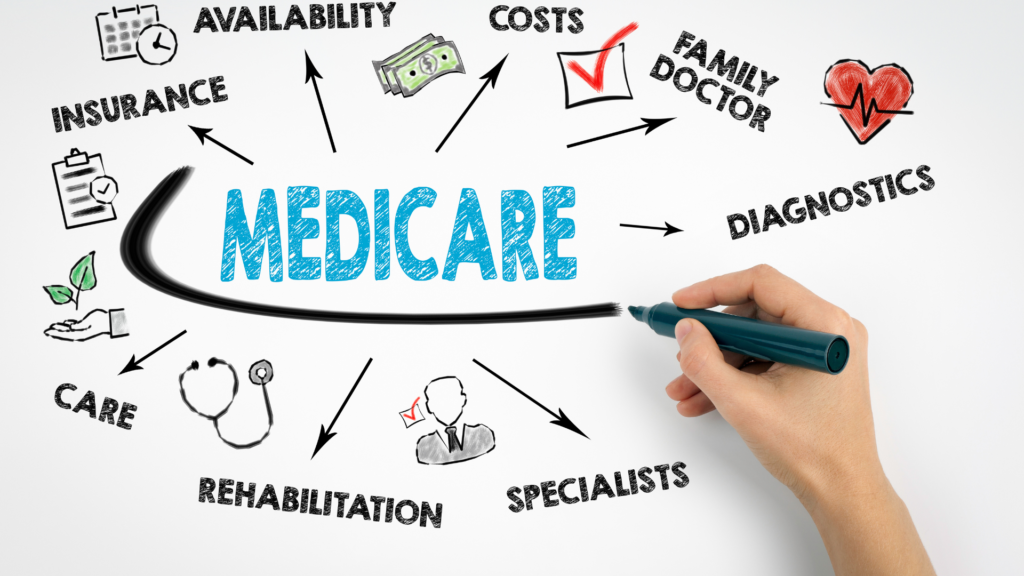
What Medicare Doesn’t Cover
Many Baby Boomers are surprised to learn that Medicare doesn’t cover everything. Some common gaps include:
- Dental, vision, and hearing care. Regular checkups, eyeglasses, and hearing aids usually aren’t included.
- Long-term care. Services like nursing homes, assisted living, or daily in-home care are not covered by Original Medicare (Medicare covers only up to 100 days of skilled nursing rehabilitation after a qualifying hospital stay, with a 2026 daily copayment of $217 after day 20).
- Overseas healthcare. If you plan to travel abroad, Medicare won’t pay for most international medical services.
This is where Medicare Advantage plans, Medigap, or private insurance can step in to help fill the gaps.
Long-Term Care Planning: Why It Matters
Living longer means you may eventually need help with everyday activities like bathing, cooking, or mobility. That’s where long-term care planning comes in.
Nearly 70% of adults turning 65 today will need some form of long-term care at some point in their lives, according to research cited by the Urban Institute and echoed across recent industry surveys.
Average costs (2026 data):
- Nursing home (semi-private to private room): roughly $8,900 to $10,600 per month
- Assisted living: roughly $5,500 to $6,300 per month
- In-home care (full-time or close to it): roughly $5,500 to $6,300 per month, though round-the-clock home care can run considerably higher
Note: costs vary significantly by state, sometimes by 2x or more, so we may want to add a line pointing Bay Area families to local figures rather than only the national median.
These numbers show how quickly expenses can add up, making planning essential.

Options to Explore
- Long-Term Care Insurance. Covers services like nursing homes, assisted living, or in-home care. More affordable when purchased in your 50s or early 60s.
- Hybrid Life Insurance with LTC Riders. Provides life insurance benefits plus the option to use funds for long-term care if needed.
- Health Savings Accounts (HSAs). If you already have one, the funds can be used tax-free for qualified medical expenses. For 2026, the IRS contribution limit is $4,400 for individual coverage and $8,750 for family coverage, with an additional $1,000 catch-up contribution allowed for those 55 and older.
- Medicaid Planning. Medicaid may cover long-term care, but eligibility usually requires spending down your assets, and there is typically a 5-year look-back period. Rules vary by state, so this should always be reviewed with a professional before relying on it as a plan.
The Overlap: Health, Wealth, and Taxes
Healthcare and financial planning are deeply connected. For instance, many families worry about how paying for care could affect the assets they hope to pass on to children or grandchildren. That’s where strategies like inheritance and estate tax planning come into play.
Coordinating Medicare choices with tax-efficient estate strategies isn’t just about reducing taxes. It’s about ensuring your wealth goes where you want it to, without being eroded by unexpected healthcare costs. By working through healthcare, long-term care, and wealth transfer planning together, families can preserve more for the next generation while still protecting themselves in retirement.
Working with a trusted, fee-only advisor can help you see the full picture: balancing healthcare, long-term care, and wealth transfer strategies into one coordinated plan.
Practical Steps to Take in Your 60s
Here’s a simple checklist to help Baby Boomers prepare:
- Estimate your future healthcare costs. Use online retirement calculators or talk with a financial planner.
- Review Medicare options early. Don’t wait until 65 to start comparing plans.
- Talk to your doctor. Understand your long-term health risks and preventive care needs.
- Explore long-term care insurance. The earlier you act, the better your coverage options.
- Have family conversations. Discuss preferences for care and who might help if needed.
- Prioritize wellness. Staying active, eating well, and scheduling regular checkups can reduce future medical costs.
The Human Side of Planning
While it’s easy to focus on numbers and policies, healthcare planning is really about peace of mind. Many Baby Boomers want to protect their independence and avoid being a financial or emotional burden on their children.
Conversations about long-term care, medical wishes, and financial planning may feel difficult, but they’re a gift to your family. By sharing your preferences now, you make future decisions easier for everyone.
Final Thoughts
Healthcare planning in your 60s doesn’t have to feel overwhelming. By learning how Medicare works, filling in coverage gaps, and preparing for the possibility of long-term care, you’re setting yourself up for security and peace of mind.
Your 60s are the perfect time to take charge of your future health. With the right planning, you can focus less on worries and more on what matters most: enjoying retirement, making memories, and living life on your own terms.
At InVision Capital Advisors, we understand the unique challenges Baby Boomers face. That’s why we provide clear, personalized guidance that brings together healthcare, Medicare, retirement, and wealth planning into one plan that truly fits your life. If you’re ready to connect the dots and create a strategy that protects both your health and your legacy, we’re here to help.
Schedule a free consultation today and discover how thoughtful estate and long-term care planning can secure a brighter future for you and your loved ones.