
Top 5 Things You Need to Know About Retirement Accounts & Tax-Efficiency
Planning for retirement can feel overwhelming, especially when balancing savings strategies with tax efficiency. Whether you are in your 20s starting your first job or in your 50s fine-tuning your portfolio, making informed choices about retirement accounts can significantly impact your long-term wealth. As a financial advisor, I want to break down the essentials so you can make confident decisions that maximize your retirement income while minimizing your tax burden.
1. Understand the Types of Retirement Accounts
The first step in planning is knowing what retirement accounts are available to you. Broadly, retirement accounts in the U.S. fall into two categories: tax-deferred accounts and tax-free accounts.
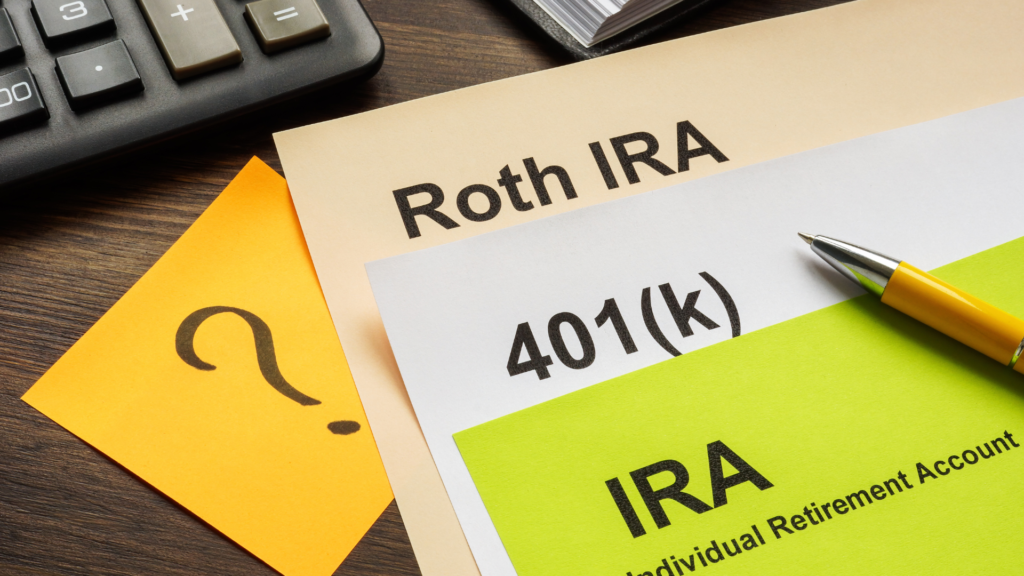
- Tax-deferred accounts (Traditional IRA, 401(k)): Contributions are made pre-tax, reducing your taxable income in the year you contribute. However, withdrawals during retirement are taxed as ordinary income.
- Tax-free accounts (Roth IRA, Roth 401(k)): Contributions are made with after-tax dollars, but withdrawals in retirement are tax-free, provided you meet the holding requirements.
Deciding between these depends on your current tax bracket versus your expected tax bracket in retirement. For high earners in places like San Jose or San Francisco where income taxes can be steep, careful planning can make a big difference.
2. The Role of Tax-Efficiency in Retirement Planning
Tax efficiency means structuring your savings and investments to minimize taxes, both now and in the future. For many professionals in the Bay Area, especially those receiving RSUs (restricted stock units) or ESPP (employee stock purchase plans), this becomes even more important.
For example:
- RSU long-term capital gains: If you hold vested RSUs for more than a year before selling, you may qualify for lower capital gains tax rates.
- ISO vs. NSO options: Incentive stock options (ISO) may qualify for favorable tax treatment, but you must watch out for the Alternative Minimum Tax (AMT).
- Are ESPPs worth it? These often provide discounts on company stock, but knowing the tax treatment is essential for maximizing benefits.
If you’re working for major tech companies in Silicon Valley and are juggling stock-based compensation with retirement savings, a wealth management partner can help align your retirement contributions with equity planning.
3. Balancing Retirement Accounts with Employer Benefits
Your employer benefits can play a huge role in your retirement strategy. Some key things to look at include:

- 401(k) matching: If your employer offers a match, always contribute enough to capture the full benefit. This is essentially free money for your retirement.
- Stock compensation: Knowing when to sell vested stock or exercise stock options can help you avoid unnecessary tax consequences.
- Health Savings Accounts (HSAs): For those eligible, HSAs provide triple tax advantages, contributions are tax-deductible, growth is tax-free, and withdrawals for qualified expenses are tax-free.
A financial advisor can help you integrate employer benefits with retirement contributions for the most efficient outcome.
4. Wealth Succession and Estate Planning
It’s not just about saving for retirement, it’s also about protecting your wealth and ensuring a smooth transition to the next generation. Wealth succession planning and inheritance tax planning play a key role, particularly for high-net-worth families in the Bay Area.
Key considerations:
- Beneficiary designations: Keep retirement account beneficiaries updated to avoid probate.
- Inherited IRAs: These come with special rules, and mismanagement could lead to unexpected taxes.
- Trust planning: A trust can help protect assets, reduce estate taxes, and control how wealth is distributed.
Families exploring family wealth management can integrate retirement accounts into broader estate strategies to preserve wealth across generations.
5. Creating a Diversified and Flexible Strategy
Finally, building a tax-efficient retirement plan requires diversification, not only in the assets you hold but also in the accounts you use.
- Tax diversification: Balancing traditional and Roth accounts gives you flexibility in retirement, allowing you to strategically withdraw funds depending on your tax situation.
- Global asset allocation: Spreading investments across domestic and international markets helps manage risk and capture growth.
- Personal CFO services: Some individuals benefit from a comprehensive financial advisor who acts as a “personal CFO,” managing everything from equity incentives to retirement accounts.
A thoughtful plan ensures you’re not just saving, but saving smart.
Final Thoughts
Retirement planning is about more than just contributing to your 401(k). It’s about understanding how taxes, equity compensation, employer benefits, and estate planning all come together to support your long-term financial health. Whether you’re working with a financial advisor in the Bay Area or managing your own portfolio, focusing on tax efficiency ensures that more of your money stays working for you.
The earlier you start, the more flexibility and peace of mind you’ll have in retirement.